Do You Need a Permit for a Shipping Container Pool?
Navigate the permit process: zoning requirements, building permits, electrical inspections, and how to work with your local authorities.
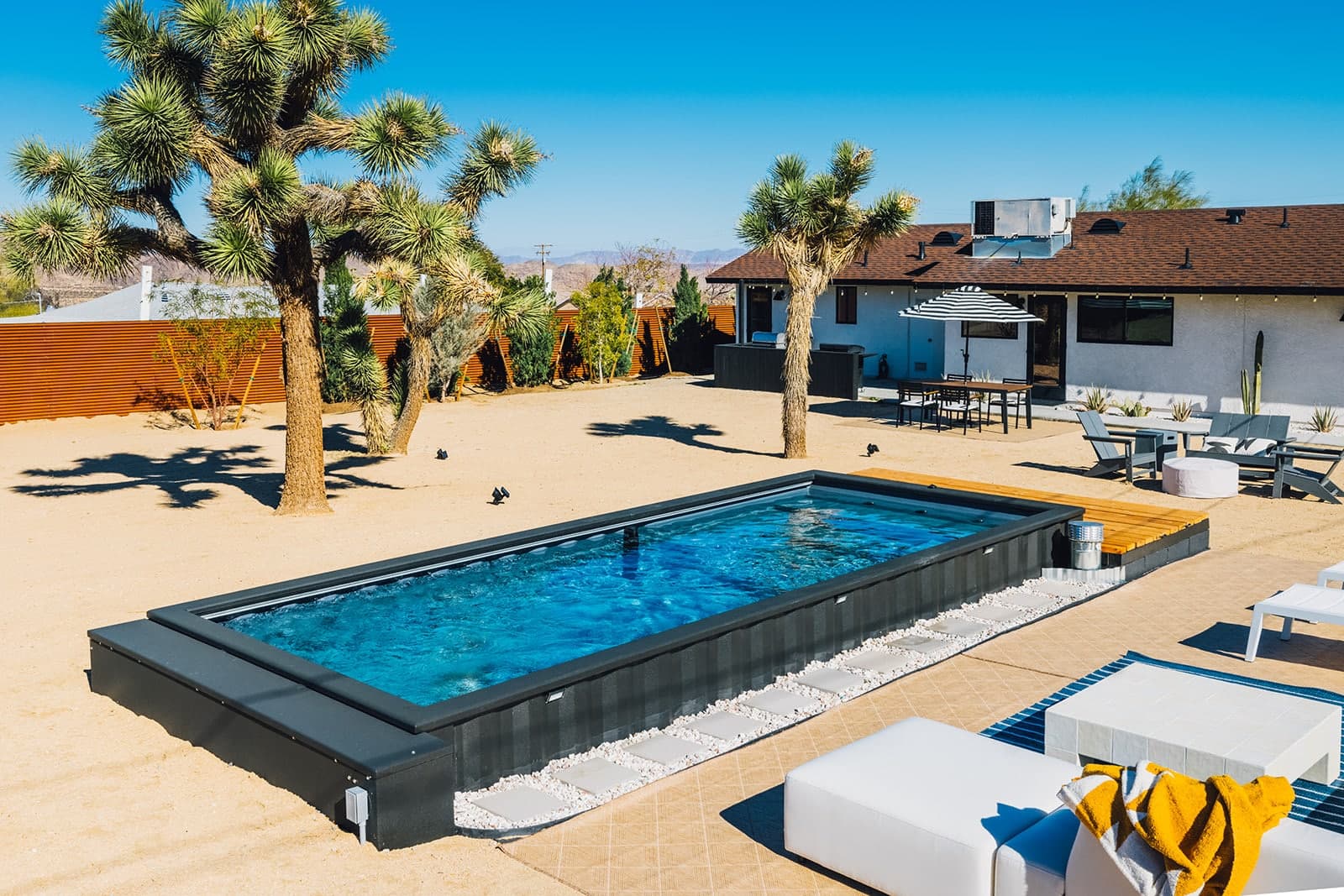
The short answer: probably yes. Most jurisdictions require permits for swimming pools, regardless of construction type. However, container pools often navigate the permit process more easily than traditional pools. Here's what you need to know.
Common Permit Requirements
Building Permit
Most areas require a building permit for pool installation. This ensures the structure meets local safety codes. Container pools may qualify under different categories depending on your jurisdiction:
- Above-ground pool: Often has simpler requirements
- Accessory structure: Treated like a shed or outbuilding
- Swimming pool: Standard pool regulations apply
Above-ground container pool installations frequently face fewer requirements than in-ground installations because they're viewed as temporary or removable structures.
Electrical Permit
A separate electrical permit is typically required for the dedicated circuit installation. This ensures proper GFCI protection and safe wiring practices. Your licensed electrician usually handles this permit as part of their service.
Zoning Approval
Zoning regulations govern where structures can be placed on your property. Common requirements include:
- Setbacks: Minimum distance from property lines (often 5-15 feet)
- Rear yard placement: Many areas restrict pools to rear yards
- Easements: Cannot block utility easements
- Lot coverage: Maximum percentage of lot covered by structures
Safety Fencing
Nearly all jurisdictions require pool safety barriers. Standard requirements include:
- 4-foot minimum fence height
- Self-closing, self-latching gates
- No climbable features within 3 feet
- Gates opening away from pool area
The Permit Process
- Contact your building department: Ask about requirements for "above-ground pools" or "shipping container pools" specifically
- Gather documentation: Site plan, pool specifications, electrical plans
- Submit application: Include required fees (typically $100-$500)
- Schedule inspections: Electrical, barrier, and final inspections
- Receive approval: Keep permit documentation for your records
What Inspectors Look For
During inspections, officials typically check:
- Proper electrical installation and GFCI protection
- Adequate safety barriers and gate hardware
- Setback compliance
- Structural stability (for in-ground installations)
- Proper drainage away from neighboring properties
Tips for Smooth Permitting
Be Proactive
Contact your building department before ordering. Understanding requirements upfront prevents surprises during installation.
Provide Documentation
Have manufacturer specifications ready. Container pool companies can provide engineering documents and product details that satisfy inspector questions.
Consider Above-Ground Installation
Above-ground pools often qualify for expedited or simplified permit processes. If permitting is a concern, this approach may reduce complexity.
Work with Experienced Contractors
Electricians and installers familiar with pool regulations expedite the process. They know what inspectors require and prepare accordingly.
HOA Considerations
If you live in a homeowners association, you may need separate approval beyond city permits. Check your CC&Rs (Covenants, Conditions & Restrictions) for:
- Pool restrictions or prohibitions
- Architectural review requirements
- Placement and visibility rules
- Fencing style requirements
What If You Skip Permits?
Installing without required permits can result in:
- Fines and penalties
- Forced removal
- Insurance claim denials
- Problems when selling your home
- Liability exposure for accidents
The permit process protects you and your investment. It's worth the effort.
Need Help Navigating Permits?
Contact Midwest Container Pools — we help customers navigate local requirements and provide documentation to support your permit applications.